

Quick answer
Nothing, in practical terms: Niihau is private property with no public access, the entrance fee is 0 USD because no admission exists, and the island is listed as closed Monday through Sunday. Landing requires an invitation from the Robinson family or a relative among the roughly 70 residents. Uninvited arrivals are turned away at the shoreline.
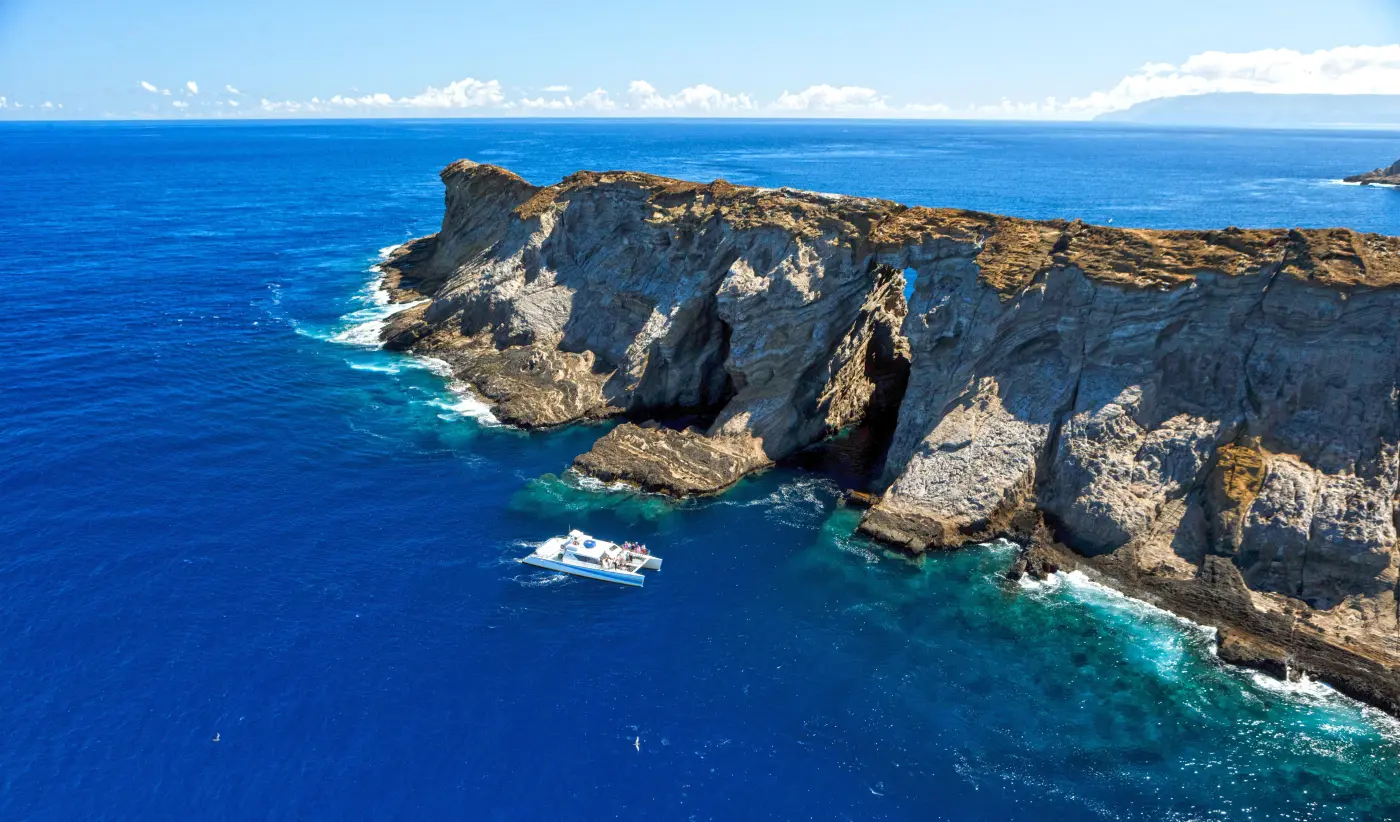
Niihau has no paved public road, no hotel, and no scheduled ferry, yet it appears on the horizon from Polihale and the western reaches of the Na Pali Coast with unhelpful clarity — a low brown ridge that looks an hour's sail away and is, legally, unreachable. The island covers roughly 70 square miles and shelters a Hawaiian-speaking community whose daily language survives in part because outside traffic was never permitted to dilute it. Understanding what happens if you go to Niihau begins with that arithmetic: visibility is not permission. The Forbidden Isle nickname predates the tourism era. It traces to an 1952 polio quarantine and, before that, to the terms Elizabeth Sinclair negotiated with Kamehameha V — an undertaking to protect the residents and their way of life. Successive generations of the Robinson family have read that undertaking narrowly. Puuwai, the main settlement on the leeward side, has no shops for visitors and no accommodation to book. The Niihau shell lei sold in Kauai galleries reach the market through residents and family channels, not through any storefront on the island itself. Even the Kaulakahi Channel works as a barrier in its own right, running rough enough through much of the year to make casual crossings a poor idea regardless of ownership. What exists instead is a legitimate and well-defined alternative. Licensed operators run offshore Niihau boat tours from Kauai's west side, working the coastal waters, the Lehua Crater seabird sanctuary and dive sites such as Vertical Awareness and Keyhole without landing passengers on private ground. Snorkelers there encounter monk seals, spinner dolphins and visibility that regularly exceeds a hundred feet. Helicopter charters operated by the landowners serve a separate, limited purpose and do not function as sightseeing flights in the ordinary sense. Readers working through what happens if you go to Niihau should treat the answer as a redirection rather than a closed door. The island's status will not change for a given traveller, so the planning question becomes which offshore departure, which season, and which conditions on the channel. Summer months tend to offer the calmest crossings; winter swell cancels trips frequently. Booking pages elsewhere on this site list the operators running these waters, and the sections below cover access status, getting there, common myths and on-water conduct in detail.
“Visibility is not permission — Niihau sits within sight of Kauai and outside the reach of any ticket.”
Why There Is No Public Access: What Happens If You Go To Niihau
Access to Niihau is strictly controlled as the island is private property. There are no public admission fees or authorized entry points.
The cost for public entry is 0 USD because the island is closed to the general public.
Navigating Restrictions When Considering What Happens If You Go To Niihau
Niihau is located southwest of Kauai. Because the island is private property, there are no public transport routes, docking facilities, or arrival points for independent visitors.
Private vessel to Niihau shore
Private flight to Niihau
Access restricted
Common Misconceptions: What Happens If You Go To Niihau Without Permission
Because Niihau is privately owned, limited information creates confusion regarding access and the legal consequences of unauthorized visitation. It is essential to understand the reality of its status to avoid serious complications.
MythYou can land on the beach for a quick visit.
FactNiihau is private property, and unauthorized entry constitutes trespassing, which can result in legal consequences.
MythThe island is open to the public during summer months.
FactThe island remains closed to the general public year-round, with no public access allowed.
MythTourists can hike the island if they stay on trails.
FactThere are no public trails or access points, as the entire island is restricted to private property and authorized personnel only.
Respecting Privacy: What Happens If You Go To Niihau Waters
Niihau is home to roughly 100 residents who have chosen a life largely apart from outside visitors, and that privacy is the point rather than a side effect. Conduct on the water around the island is judged by how little you intrude.
Do
- Treat the shoreline as someone's home, not a viewpoint
- Keep the vessel well offshore and let the captain set distance
- Follow crew instructions on where cameras may point
- Ask before photographing any person, boat, or dwelling
- Speak at normal volume; sound carries far over open water
- Leave the water as you found it, including all gear
Don't
- Do not land, wade ashore, or step onto any beach
- Do not photograph residents, homes, or vehicles from the boat
- Do not use drones anywhere near the island or its waters
- Do not shout, whistle, or signal toward people onshore
- Do not collect shells, sand, or rock from Niihau's beaches
- Do not press the crew to move closer than they allow
Check availability
Frequently Asked Questions About Niihau Access
Everything you need to know about what happens if you go to niihau